Do you cover food in a convection oven?
Convection ovens rely on a fan and exhaust system to blow heated air around the food, which helps dishes cook more evenly. That circulating air affects everyday decisions, from whether to cover a casserole to which pan to slide onto the rack. Here are the answers to common convection oven questions.
Do you cover food in a convection oven?
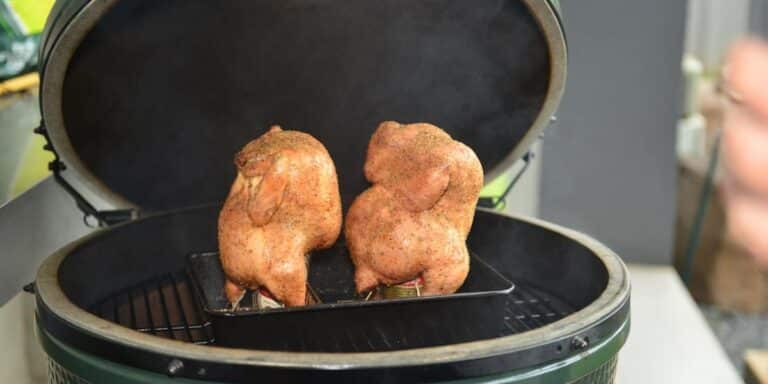
In most convection recipes, you do not need to cover the baking dish. Because convection ovens give superior results when browning and crisping foods, most recipes designed for them do not call for covered dishes. Covering would trap steam and dampen the crispy exterior. To get the full benefit, place the food in the center of the oven and leave space between pans and the oven walls so the hot air can circulate around each item.
Can you put a ceramic plate in a convection oven?
Yes. Ceramic is used in convection models because it withstands high cooking temperatures and tolerates heat better than a glass plate. Even so, double-check that the specific ceramic piece is oven-safe before placing it in the oven.
What utensils are safe to use in a convection oven?
You can use glass, paper, microwave-proof plastic, and ceramic utensils in convection cooking. Avoid ceramic ware or pottery that has metal coating or designs. Metal utensils and foil are also acceptable, but you should always confirm that a utensil is oven-safe first. In a combination microwave, metal is safe and can improve the microwaving experience, but that does not mean you can put every metal item in without checking.
Can you use stoneware in a convection oven?
Stoneware cannot be used under the broiler or directly over a heat source such as a range-top burner or grill. When you use stoneware in a convection oven, reduce the oven temperature and baking time as specified by the oven manufacturer.
Can you use foil or aluminum pans in a convection oven?
Yes, with a few precautions. Metal and foil can be used safely and effectively with the convection cooking feature in a microwave convection oven. Aluminum foil can be used safely in a microwave when you follow the guidelines that prevent damage to the oven. The trays supplied with a Convection Steam Oven can be covered in aluminum foil, and any baking mode can be used. Never place foil or foil pans on the floor of the oven, and do not let foil touch the back wall, because that can cause permanent damage.
Can you use a microwave turntable glass plate in convection mode?
Yes, the turntable glass plate is safe in all modes: convection, grill, microwave, and all combination modes. It will not get damaged.
How do you preheat a convection oven?
To preheat, reduce the cooking temperature for your recipe by 25 degrees Fahrenheit, since convection ovens cook food more evenly than regular ovens. Press the convection button or turn the dial to the convection setting, choose the proper temperature, and press Start.
Can you roast in a convection oven?
Yes. Set the convection oven temperature to 25 degrees less than the recipe recommends or than you would ordinarily use. For example, if you normally roast a beef roast at 375 degrees Fahrenheit, reduce the heat to 350 degrees Fahrenheit.
What is the advantage of a convection oven?
The main benefit is even cooking. Circulating air inside the appliance helps food cook more evenly across oven racks, making recipes as easily prepared as they are delicious. A convection oven contains an additional fan and exhaust system that blows heated air through the entire space evenly while your food is cooking, as Bob’s Red Mill explains.
What potatoes are best for baking?
Russet potatoes are the classic choice. Russets are high in starch and low in moisture, which makes them nice and fluffy after baking, and their thick skin crisps up well. Choose medium-sized potatoes, each around the same size (about one-half pound), so they are all done at the same time.
Can silicone moulds be used in convection mode?
Yes. Convection mode lets you bake in a microwave just like in an oven, so aluminum and non-stick pans work. Microwave-safe glass, ceramic, and silicone bakeware also work in convection mode.
With the right pan and temperature setting, convection cooking can make browning, crisping, and roasting easier. The key is to let the fan do its job by giving the hot air room to move.